
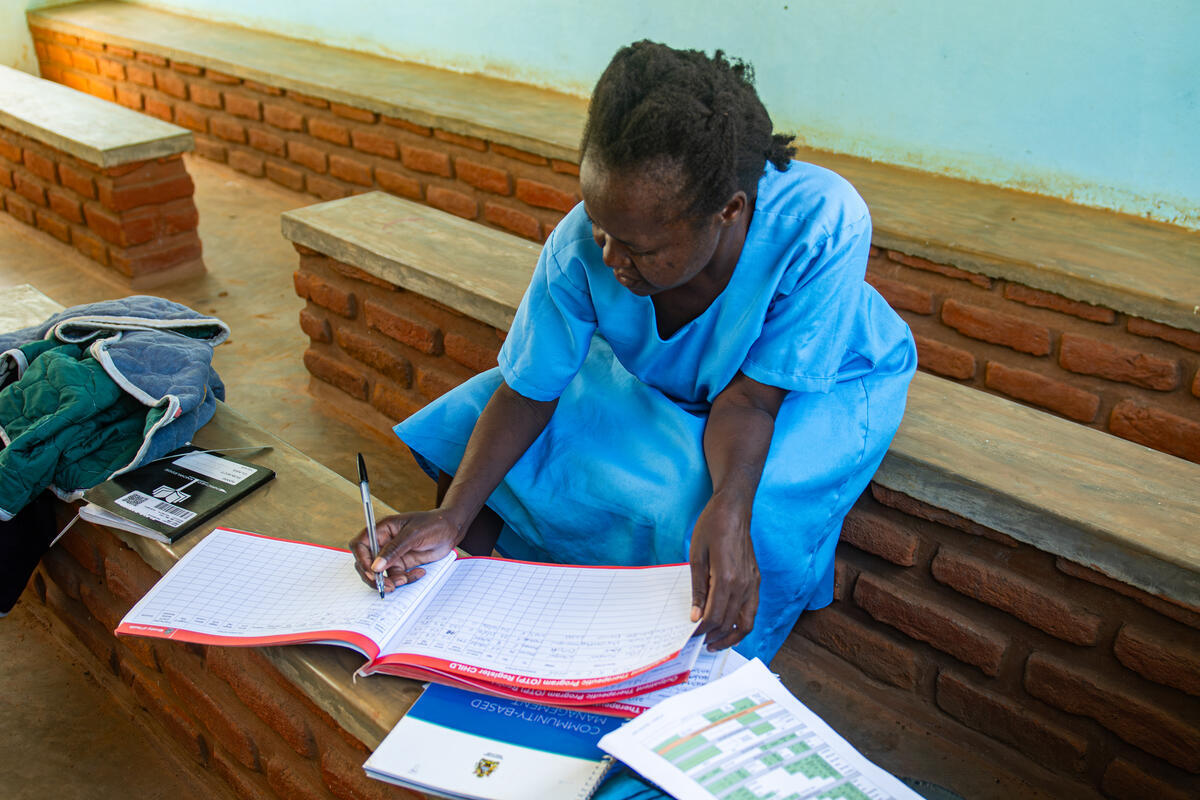
At a moment when global health and development funding is tightening, one of the most important tools, beyond vaccines and essential medicines, is as risk—data.
Clear, comparable, and nationally representative data helps governments decide where to invest, enables health workers to understand community needs, and allows the world to track whether progress is truly being made. For more than four decades, the USAID-funded Demographic and Health Surveys (DHS) Program equipped low- and middle-income countries to collect the nationally representative household information they needed to advance health and wellbeing for their people. DHS are more than just surveys—they’re a global public good. Since 1984, they have generated critical insights on population health and demographics in more than 90 countries.
Recent cuts to foreign aid disrupted long-standing support for global data systems, including the DHS Program. In early 2025, the loss of USAID funding halted surveys mid-process and disbanded teams, which jeopardized the decades-long archive of health data, used by country leaders, researchers, and global institutions to inform smart decision making.
Gates Philanthropy Partners stepped in alongside the Gates Foundation to help bridge this critical funding gap to ensure completion of surveys and broad, public access to this data.
The data behind better decisions
The value of this data lies in both depth and consistency. The DHS Program gathers data on more than 200 indicators, many unavailable elsewhere, covering issues from maternal and child health to nutrition, malaria, and family planning. Since the data is standardized, countries can track progress over time and compare outcomes across regions.
More than 30 indicators of global progress for the Sustainable Development Goals come directly from DHS data. Without it, decisions become less precise, investments become harder to target, and progress becomes harder to measure.
Stabilizing today, building for tomorrow
GPP is funding alongside the Gates Foundation to support ICF, the lead implementing partner in charge of administering the survey, to stabilize the DHS Program in the near term by supporting the completion of in-progress surveys and restoring access to critical data and tools.
This moment has been disruptive, but it’s also an opportunity for experts to consider whether the program can be improved going forward. This investment creates space to rethink what comes next.
For years, the DHS Program was largely supported by USAID, but the future will look different. We have a chance to create a more resilient, shared model, where a broader community of donors and partners sustains and strengthens this global resource.
That future could include updated survey tools to reflect evolving health needs, such as including more questions about non-communicable diseases, stronger country-led capacity to conduct surveys independently, and sustained investment in the digital infrastructure that houses more than 40 years of data.
Reaching that future will require coordinated, long-term funding and a shared commitment to maintaining the quality and independence that make DHS data so valuable, because when resources are constrained, evidence matters most.